LiFePO4 vs AGM: which battery should you put in an RV?
8 min read
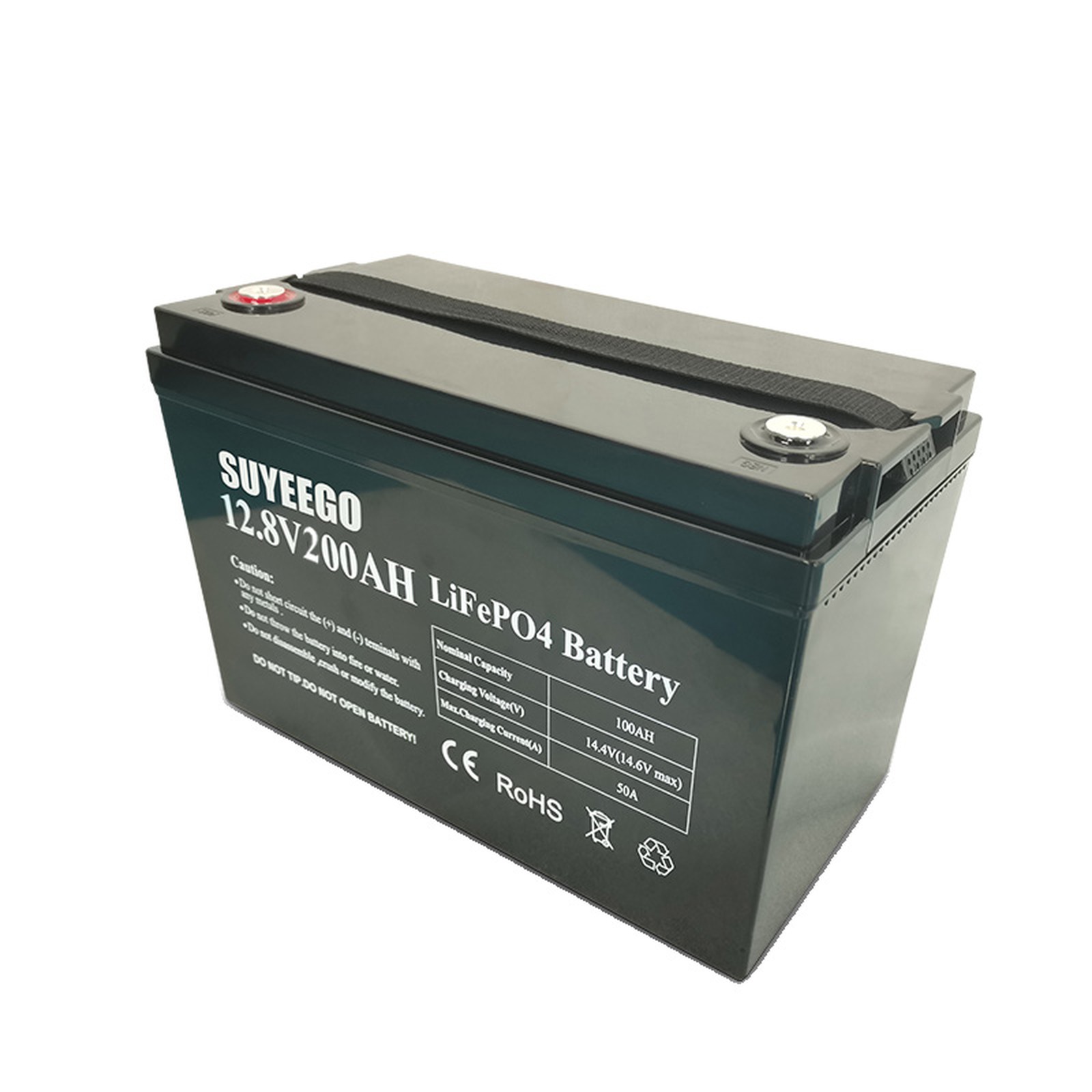
LiFePO4 is the better choice for most RV installations because you can use about 90% of its rated capacity against roughly 50% for AGM, it lasts several thousand charge cycles rather than a few hundred, and it weighs substantially less for the same usable energy. AGM stays a reasonable option when the upfront budget is the binding constraint, when the battery must live in severe cold, or when the existing charging system cannot be reconfigured. The real comparison is not price per battery but price per usable amp-hour across the life of the battery.
Usable capacity, not nameplate capacity
The number on the label is not the number you can use. Discharging a lead-acid battery below about half its rated capacity shortens its life, so a 100Ah AGM battery gives you roughly 50Ah of usable energy. A LiFePO4 battery can be worked to about 90% depth without a significant penalty, so a 100Ah lithium battery gives you around 90Ah.
That means a 100Ah lithium battery does the job of roughly a 180Ah AGM bank, at a fraction of the weight. Comparisons that put them side by side on nameplate amp-hours are not comparing like with like.
The practical comparison
| LiFePO4 | AGM | |
|---|---|---|
| Usable depth of discharge | About 90% | About 50% |
| Cycle life | Several thousand cycles | A few hundred cycles |
| Weight for the same usable energy | Roughly a third | Baseline |
| Charging acceptance | Accepts high current, charges fast | Slower, and must not be overcharged |
| Upfront cost | Higher | Lower |
| Cost per usable amp-hour over its life | Usually lower | Usually higher |
| Charging below 0 °C | Not permitted without a heating option | Permitted, with reduced performance |
| Maintenance | None | None, but sensitive to partial-state charging |
| Depth-of-discharge discipline | Little needed | Essential to get the rated life |
Charging requirements differ
The two chemistries want different voltages, and this is where most disappointing installations go wrong. A charging system configured for lead-acid will undercharge a lithium battery, and one configured for lithium can damage lead-acid.
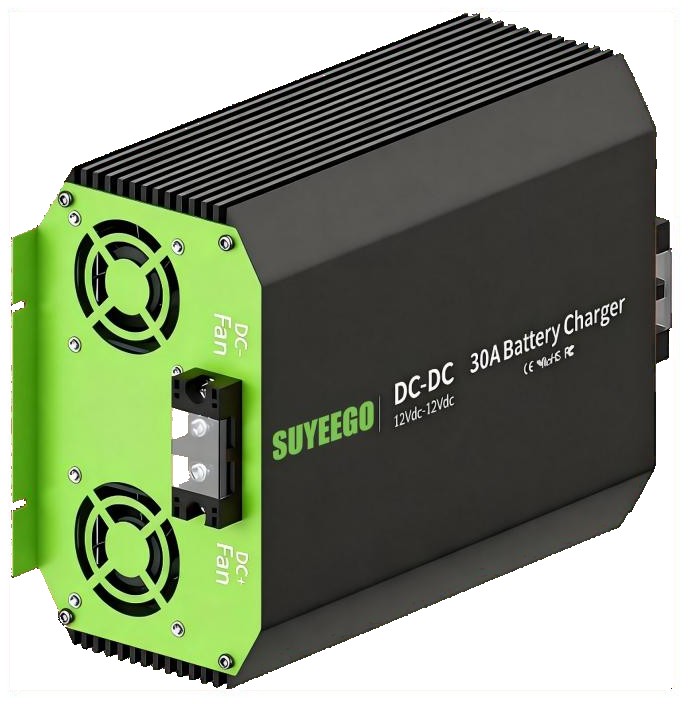
- Check that the charge controller, DC-DC charger and mains charger all have a lithium profile or configurable voltages
- Lithium wants a higher, tightly regulated charge voltage and no equalisation stage
- Lead-acid wants a lower float voltage and benefits from periodic equalisation
- A lithium battery's own battery management system protects it, but it cannot fix a charger set to the wrong profile
Cold weather is the real exception
LiFePO4 must not be charged below roughly 0 °C, because plating can form on the anode and permanently reduce capacity. Discharging in the cold is fine; charging is the problem. Good lithium batteries refuse the charge rather than damaging themselves, but that leaves you with a flat battery on a winter morning.
- If the battery lives inside a heated living space, cold charging is rarely an issue
- If it is mounted in an unheated external locker, look for a battery with low-temperature protection or an integrated heater
- AGM tolerates cold charging, though it accepts less current and delivers less capacity when cold
- A DC-DC charger helps here, because it charges while the vehicle is running and warming the space
Which to choose
Choose LiFePO4 if you want the most usable energy for the space and payload you have, if you cycle the battery regularly, or if you intend to keep the vehicle. The higher purchase price is repaid through usable capacity, cycle life and weight.
Choose AGM if the battery will sit in an unheated external locker in a freezing climate, if the existing charger cannot be reconfigured and replacing it is not an option, or if the upfront budget genuinely cannot stretch. AGM is also the more forgiving chemistry for a battery that is only lightly used.
Frequently asked questions
- Is lithium worth the extra cost for an RV?
- For most installations yes, because cost per usable amp-hour over the battery's life is usually lower than AGM, and the weight saving is significant. The calculation changes if the battery is used lightly or if the existing charger cannot be reconfigured.
- Can I mix lithium and AGM batteries?
- No. The two chemistries have different charge and discharge voltages and should not be connected in the same bank; doing so will undercharge one and overcharge the other.
- Can I charge a LiFePO4 battery in freezing weather?
- Not below roughly 0 °C unless the battery has low-temperature protection or an integrated heater. Discharging in the cold is fine; charging cold can permanently reduce capacity.
- Do I need a special charger for lithium?
- You need a charger that supports a lithium profile or has configurable voltages. A charger set for lead-acid will not fill a lithium battery properly.